
Donec efficitur, ligula ut lacinia
viverra, lorem lacus.
Donec efficitur, ligula ut lacinia
viverra, lorem lacus.

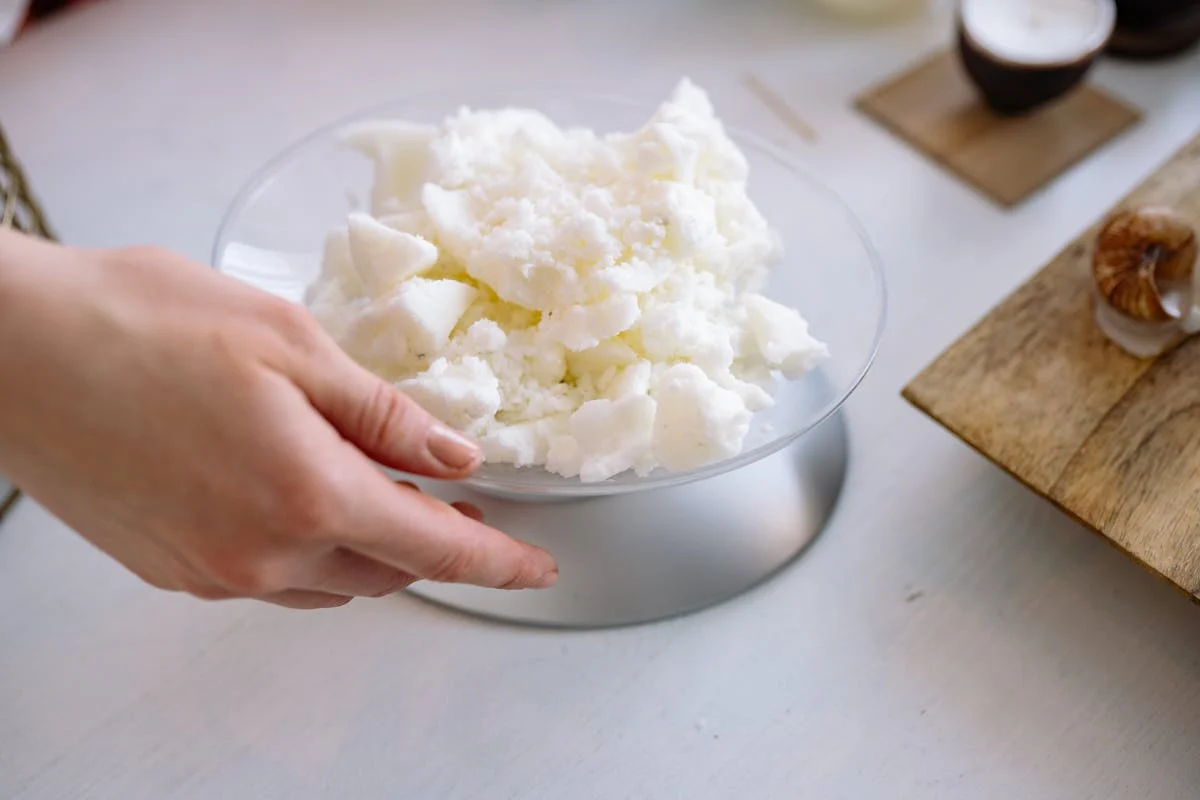
Paraffin wax, and Soy Waxes are the most widely used and inexpensive of all the waxes used for candle making. It holds color and scent well, making it a good choice for candles that are highly saturated in color and can be used for everything from containers to pillar candles. For the healthiest candle burning experience, soy wax, coconut wax, and beeswax are generally considered top choices.
When selecting the best wax for your candle-making project, consider factors such as smokeless burn, eco-friendliness, scent throw, and burn characteristics. Blending different types of wax can help you achieve the desired qualities in your candles. Different types of wax offer various advantages and disadvantages in candle making. Here’s an overview of the wax types commonly used, along with their pros and cons.
Soy Wax: Soy wax is an excellent choice for container candles. It burns cleanly and has a good fragrance throw. However, it may produce pastel colors and is not suitable for pillar candles.
Beeswax: Beeswax is a natural and versatile option. It has a pleasant fragrance and is known for its long burn time. However, it tends to be more expensive than other types of wax and has weaker fragrance retention.
Coconut Wax: Coconut wax provides a creamy texture with a clean burn and an excellent fragrance throw. On the downside, it can be harder to find compared to other waxes.
Palm Wax: Palm wax is noted for its ability to hold color and fragrance well. However, its production contributes to deforestation, making it less eco-friendly.
Paraffin Wax: Paraffin wax is affordable and versatile, but it is not considered eco-friendly or healthy. It releases volatile organic compounds (VOCs) and is derived from petroleum.
Additionally, it’s crucial to prioritize safety and minimize indoor air pollutants when using any type of wax for candle making. Ensure proper ventilation and follow safety guidelines to create a safe candle-making experience. Ultimately, your personal preferences and needs will determine the best type of wax for your candles. Evaluate the benefits and drawbacks of each wax type discussed and choose the one that best suits your candle-making needs.
